
A clean, well-groomed pet isn’t just easier to cuddle with—they’re often a happier, more comfortable pet, too.
Regular grooming can help keep your pet’s coat healthy, reduce loose hair around your home, and give you an opportunity to notice changes in their skin, ears, paws, or overall condition before they become bigger concerns.
And the good news? You don’t have to be a professional groomer to make grooming part of your pet’s routine.
With a few basic tools, some patience, and a little consistency, you can handle many everyday grooming tasks right at home.
Here’s how to get started.
Brushing is one of the simplest—and most important—parts of a pet’s grooming routine.
For dogs and cats with longer or thicker coats, regular brushing helps remove loose hair and can help prevent mats and tangles. Even short-haired pets can benefit from brushing because it removes loose fur and helps keep their coat looking healthy.
How often should you brush?
That depends on your pet.
The key is consistency.
A five-minute brushing session every few days is often easier—and more effective—than trying to tackle a huge amount of loose fur all at once.
Not every brush works for every coat.
A slicker brush, bristle brush, deshedding tool, comb, or grooming glove may be appropriate depending on your pet’s coat type.
If you’re not sure what your pet needs, start with a gentle option and pay attention to how your pet responds.
Some pets absolutely love being groomed.
Others act as though you’ve just announced the end of civilization.
If your pet isn’t a fan of grooming, don’t try to force a long grooming session immediately.
Instead, start small.
Let your pet investigate the brush. Give them a treat. Gently touch the brush to their coat. Reward calm behavior.
Gradually build up to a few strokes.
Over time, your pet can begin to associate grooming with positive experiences instead of something to fear.
You don’t have to groom your pet from head to tail in one sitting.
Five calm minutes can be much more productive than twenty minutes of struggling.
If your pet becomes stressed, take a break and try again later.
Your pet’s paws go everywhere.
Outside. Inside. Through grass, dirt, mud, and whatever mysterious substance appeared on the sidewalk five minutes ago.
Keeping paws clean is therefore an important part of everyday hygiene.
After outdoor adventures, check your pet’s paws for dirt, debris, or anything unusual.
Pet-safe wipes can be particularly convenient when your pet doesn’t need a full bath but could use a quick cleanup.
And remember to pay attention to the spaces between the toes and around the paw pads.
Overgrown nails can become uncomfortable and, in some cases, interfere with normal movement.
Regularly check your pet’s nails to see whether they need attention.
If you’re comfortable trimming them yourself, use tools specifically designed for pets and learn the proper technique before getting started.
If you’re nervous about trimming nails—or your pet strongly objects—there’s absolutely nothing wrong with asking a professional groomer or veterinarian for help.
The goal isn’t to prove you can do everything yourself.
The goal is keeping your pet comfortable.
Your pet’s ears deserve regular attention, especially if they have floppy ears or a history of ear problems.
During your normal grooming routine, take a quick look.
You’re looking for obvious changes such as:
If you notice something unusual, talk with your veterinarian rather than trying to diagnose the problem yourself.
And when cleaning your pet’s ears, always use products specifically intended for pets and follow the product directions.
Many pet owners assume that frequent baths automatically mean a cleaner pet.
Not necessarily.
How often your pet needs a bath depends on their breed, coat, lifestyle, activity level, and individual needs.
Some dogs may need regular baths, while others can go considerably longer between them.
Use a shampoo formulated specifically for pets and avoid using human shampoo unless your veterinarian specifically recommends it.
Human skin and pet skin aren’t identical, and the wrong product can cause irritation.
And if your pet absolutely despises bath time?
You’re not alone.
Make the environment comfortable, keep water at an appropriate temperature, and try to make the experience as calm and predictable as possible.
If you’ve ever worn black pants around a shedding dog or cat, you already understand the struggle.
Regular brushing is your first line of defense.
The more loose hair you remove during grooming, the less of it ends up on your furniture, floors, clothing, and car.
But grooming isn’t the only part of the equation.
You’ll also want a good strategy for removing pet hair from your home.
Grooming tools, hair-removal tools, lint removers, and washable bedding can all make life easier for pet owners dealing with heavy shedding.
The goal isn’t to eliminate every hair.
That’s probably impossible.
The goal is to stay ahead of it.
One of the biggest benefits of regular grooming has nothing to do with appearance.
Grooming gives you a chance to get familiar with what’s normal for your pet.
While brushing or handling your pet, you may notice something that wasn’t there before.
For example:
Finding something unusual doesn’t automatically mean something is wrong.
But noticing changes early gives you an opportunity to ask your veterinarian about them.
Think of grooming as a regular check-in with your pet.
The easiest grooming routine is one you’ll actually stick with.
Try creating a simple weekly schedule.
A few times per week:
Weekly:
As needed:
You can even keep your grooming supplies together in one basket or storage container.
That way, when it’s grooming time, everything is ready to go.
You don’t need an entire professional grooming salon in your house.
Start with the basics.
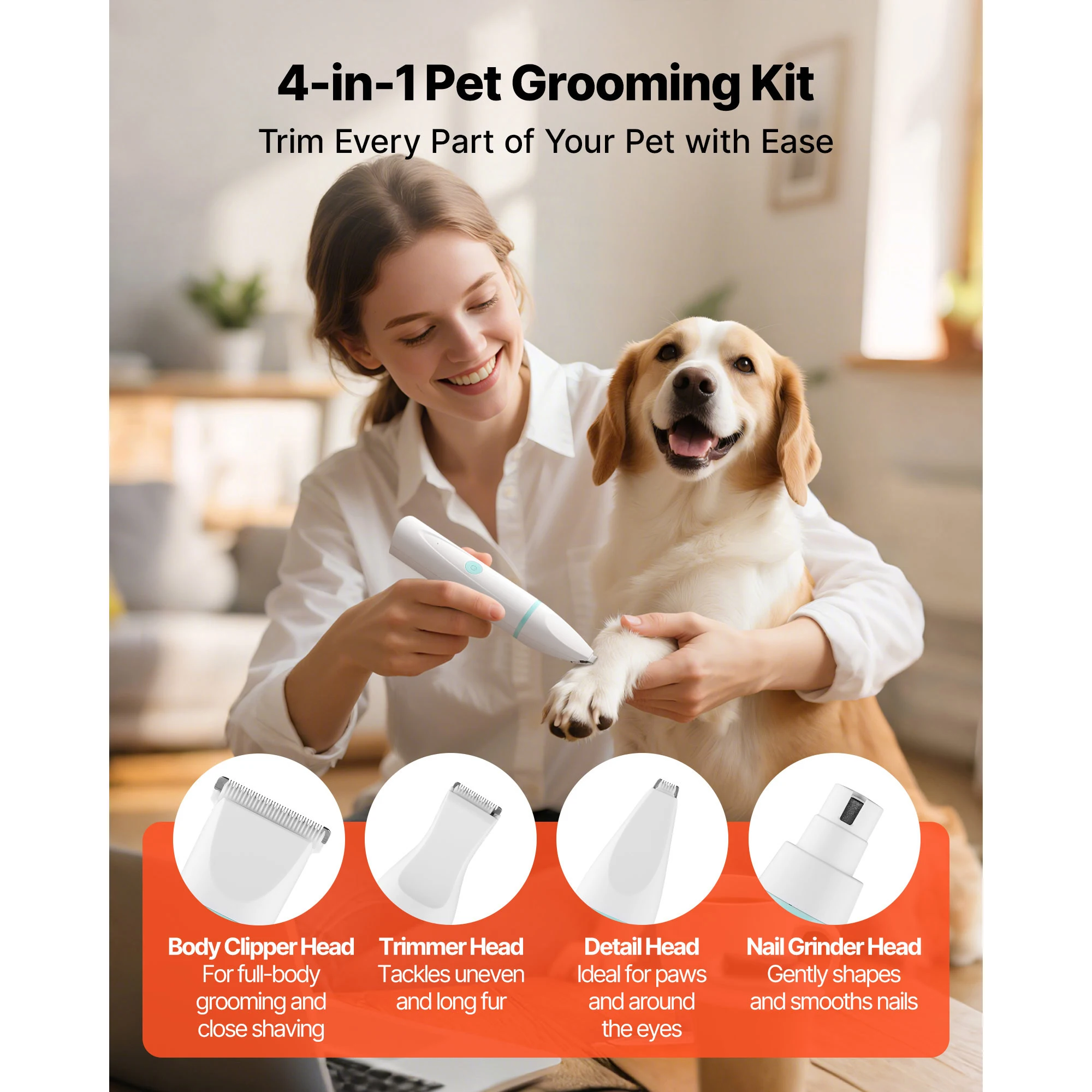
Depending on your pet, your grooming kit might include:
The right tools can make grooming quicker, easier, and more comfortable for both you and your pet.
At Arnie’s Pet Haven, our Grooming & Hygiene collection is designed to help pet parents handle everyday grooming and cleanup with practical tools.
You don’t have to become a professional groomer overnight.
You don’t have to buy every grooming product available.
And you certainly don’t have to make every grooming session perfect.
Start small.
Brush your pet regularly. Check their paws and ears. Keep their nails at a healthy length. Clean them when necessary. Pay attention to changes.
Most importantly, make grooming a normal part of life rather than something that only happens when your pet desperately needs it.
Your pet gets a cleaner, more comfortable coat.
You get less hair around the house.
And the two of you get a few more opportunities to spend quality time together.
That’s a pretty good deal.